GSM And Fabric Weight Guide For Custom Activewear.
What GSM really measures, the weight ranges buyers usually start from for each garment type, and how to brief a factory so the fabric arrives the way you pictured it.
Published — True Fit Sportswear Team
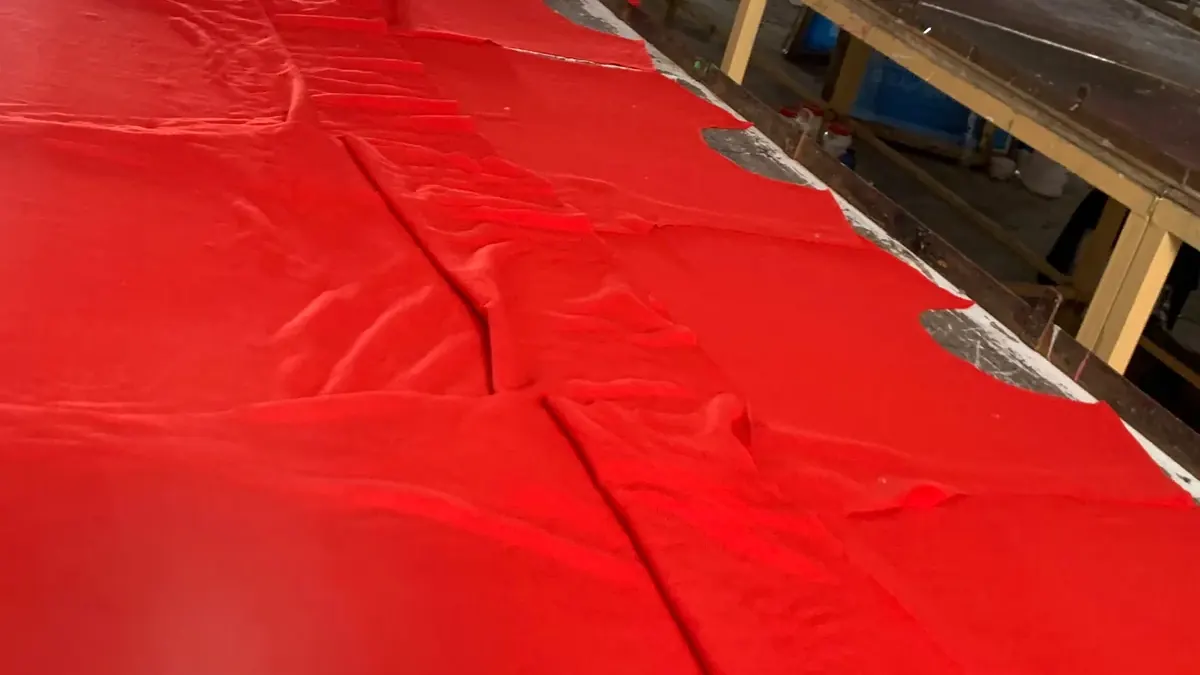
Fabric laid out for cutting. Weight, blend and stretch are all decided before this point.
What GSM Means, And What It Doesn't Tell You
GSM stands for grams per square meter. It is the weight of one square meter of finished fabric, and it is the standard way factories and mills describe how light or heavy a cloth is. A 150 GSM jersey is lighter than a 300 GSM fleece. That is all the number says on its own.
US suppliers often quote ounces per square yard instead. As a rough conversion, 1 oz per square yard is about 34 GSM, so an 8 oz fabric is around 270 GSM.
GSM does not describe how a fabric feels or performs. Two cloths at the same weight can behave very differently because of the yarn, the knit structure and the finish: an open polyester mesh and a closed cotton jersey can both weigh 160 GSM and still be completely different garments. Treat GSM as one part of a fabric spec, alongside composition, construction and finish.
It is also not a quality score. Heavier is not automatically better. A heavy fabric is warmer, more opaque and often more durable, but it is hotter to wear and slower to dry. The right weight is the one that fits the job.
Typical GSM Ranges By Garment Type
These are broad industry ranges for orientation, not True Fit specifications. Real fabrics sit inside and outside them depending on the knit and the yarn, so use them to start a conversation, not to finish one.
- Everyday t-shirts (cotton or cotton-rich): roughly 150–200 GSM. Heavyweight, boxy streetwear tees often start around 220 GSM and go higher. See our t-shirt range.
- Performance tees (polyester): roughly 120–170 GSM. The lightest end suits hot-weather running; slightly heavier suits gym and training use.
- Team jerseys: roughly 130–180 GSM, frequently a mesh or textured polyester knit. Football is its own case, covered in our football fabric guide.
- Shorts: knit training shorts roughly 130–200 GSM. Woven shorts are usually lighter and are specified by fabric type as much as by weight.
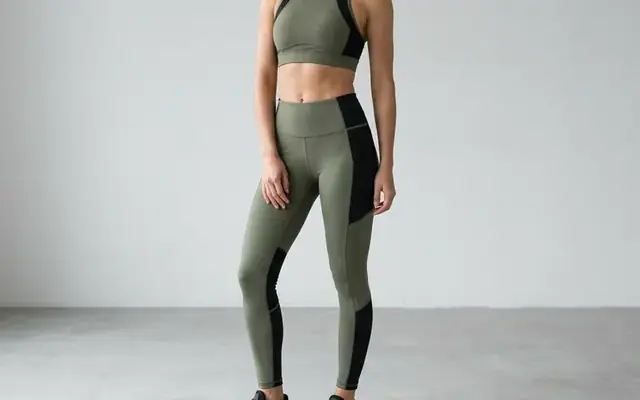
- Leggings and compression: roughly 180–280 GSM. Fabrics meant to be fully opaque under stretch sit toward the upper half. See leggings and compression wear.
- Hoodies and fleece: roughly 250–400 GSM. Midweight hoodies cluster around 280–320 GSM; heavyweight ones go beyond 350. See our hoodie range.
Within hoodies, the construction matters as much as the number. French terry has a looped inside and is lighter and cooler; brushed fleece has a soft, raised inside and is warmer and usually heavier.
Polyester, Cotton, Blends And Elastane: How The Fiber Changes The Garment
Polyester is strong, light, dries quickly and holds color well. It is the usual base for performance wear and for sublimation, because sublimation dye bonds with polyester fibers and gives full-color, all-over graphics that do not crack or peel. To some wearers it feels less natural than cotton.
Cotton is soft and breathable, but it absorbs moisture and dries slowly, so it suits casual, lifestyle and fleece garments better than hard training. It takes screen print and embroidery well. It can shrink unless the fabric has been pre-treated, which is worth raising in your brief.
Blends trade one set of properties against another. Polyester-cotton blends are common in hoodies and sweatshirts, where they keep some softness while reducing shrinkage and drying time. Always ask for the actual percentages: a polyester-rich blend behaves quite differently from a cotton-rich one. Fiber choice also limits decoration, so read it alongside our decoration methods guide.
Elastane And Stretch: How Much Is Enough
Elastane (also sold as spandex) is a stretch fiber blended into polyester, nylon or cotton. A small percentage gives a knit comfortable give and helps it spring back. Tops and shorts often need only a little. Leggings, sports bras and compression pieces need more, because the fabric has to stretch a long way and recover without bagging.
Three points are worth settling in the brief:
- Two-way stretch (one direction) or four-way stretch (both). Four-way is typical for leggings.
- Recovery: does the fabric return to shape after repeated wear and washing?
- Opacity under stretch: a light fabric that looks solid on the table can turn sheer over a knee or hip, especially in pale colors.
Stretch also affects decoration. Any print placed on a high-stretch fabric needs to flex with it, so tell the factory early where logos and graphics will sit.
Moisture-Wicking Performance Versus Hand-Feel
Wicking means moving sweat from the skin to the outer face of the fabric, where it can evaporate. It comes from the fiber, the yarn and the knit structure, sometimes with a finish added. Polyester and polyester-rich knits are the usual choice. Cotton holds moisture instead, which is why a wet cotton tee gets heavy and clingy.
Hand-feel is how the fabric feels when you touch and wear it: smooth, brushed, crisp, slick or soft. It is the first thing a customer notices and it is often what makes a garment feel premium.
The two pull against each other more than people expect. Open mesh breathes best but feels technical. Brushed, soft-touch polyester feels good against the skin but is usually less airy. Cotton feels natural but is poor for heavy sweat. Decide which one wins for each garment, then say so plainly in your brief. Neither can be judged from a photo, which is why the sample step matters (see our custom sportswear samples guide).
How To Choose The Right Fabric Weight
Work through these questions before you name a number:
- What is the garment's main job: match play, hard training, gym, or everyday wear?
- What climate will it be worn in, and in which season?
- How much will the wearer sweat? Heavy sweat points to polyester and lighter weights.
- Do you want a close, athletic fit or a relaxed one? Close fits need stretch, and fit and grading are covered in our activewear sizing and grading guide.
- Which decoration method will you use? Sublimation needs polyester or a polyester-rich fabric.
- Will it be light in color or worn under stretch? Opacity matters more.
- How often will it be washed and worn? Daily training wear needs durability.
Your answers usually narrow the field to a range. The sample then confirms the final choice.
How To Brief A Factory On Fabric
A clear fabric brief saves rounds of sampling. Include as much of the following as you can:
- A reference garment or photos. A garment you already own and like is the best brief there is. Photograph the composition label too.
- The weight, if you know it, or a comparison. "Similar weight to this tee" is a perfectly usable instruction.
- The feel and performance you want, in plain words: soft, crisp, cool, warm, stretchy, opaque, quick-drying.
- Where and how it will be used, including climate and wash habits.
- Your decoration method and placement, since it limits which fabrics will work.
- A swatch, if you have one. If you can cut a 20 cm by 20 cm square and weigh it, multiply the grams by 25 to estimate GSM (this needs a precise scale, ideally to 0.1 g).
Finally, ask for the confirmed fabric (composition and GSM) in writing before sampling starts, and compare the sample to it. If you are also preparing a full specification, our tech pack guide shows where the fabric details sit.
Common Fabric Mistakes To Avoid
- Choosing by GSM alone. Two fabrics at the same weight can differ in stretch, hand-feel and breathability. Always pair the number with the composition and the knit type.
- Expecting the figure to be exact. Fabric weight varies slightly from roll to roll and changes with finishing and washing, so treat a stated GSM as a target with a small tolerance (often in the region of 5%) rather than a guarantee to the gram.
- Skipping the opacity check on pale colors. White, light gray and pastel leggings are the usual culprits. Stretch the sample over your knee or hip in daylight before approving the fabric.
- Planning sublimation on cotton. Sublimation dye needs polyester or a polyester-rich fabric. On cotton the graphic comes out faded or does not take at all, so pick the decoration method and the fabric together.
- Forgetting shrinkage and wash care. Cotton-rich garments can shrink in the first wash unless the fabric is pre-treated. Wash one sample following the care label before you approve bulk, and size the pattern allowing for it.
- Comparing across units. A US spec in ounces per square yard and a mill quote in GSM are not directly comparable until converted. Settle on one unit in writing.
What This Means At True Fit
We source fabric to your specification: weight (GSM), blend, stretch and finish. Our production team recommends options for your product and confirms the exact fabric and GSM with you before the sample is made. Fabric and construction questions go straight to the production team, so you get an answer from the people who will actually cut and stitch the order.
You do not need a finished tech pack. Tell us what you are making and how it should feel or perform, or send a reference garment or photo. Samples have no minimum, bulk orders start at 20 pieces per style, and pricing depends on the exact spec and is confirmed in a written quotation. Our process page shows where the fabric decision sits in the order, and our sample page explains how to order one to check the fabric in your hands first.
Frequently Asked Questions
What is a good GSM for custom t-shirts?
It depends on the look and use. As a general industry guide, everyday cotton t-shirts sit at roughly 150 to 200 GSM, heavyweight streetwear tees at 220 GSM and above, and polyester performance tees lighter, at roughly 120 to 170 GSM. The most reliable method is to send a reference tee you like and ask the factory to match its weight and feel.
Does a higher GSM mean better quality?
No. GSM only measures weight. A heavier fabric is warmer and more opaque, but it is also hotter to wear and slower to dry. Quality depends on the yarn, the knit structure, the finishing and the stitching as well as the weight, and the right GSM is the one that suits what the garment is for.
Can True Fit match the fabric of a garment I already own?
Send the garment, or clear photos of it with the composition label, and tell us the GSM if you know it. We source fabric to your specification, and our production team recommends options and confirms the exact fabric and GSM with you before the sample is made. The sample is then your chance to check the feel and weight in your hands before any bulk order.
What GSM stops leggings being see-through?
There is no single number. Leggings and compression fabrics commonly fall at roughly 180 to 280 GSM, but opacity also depends on the knit density, the color (light colors show more) and the amount of elastane. Ask for the fabric to be confirmed before sampling, then stretch the sample over your hand or knee in good light to check it.
More questions? Browse the full FAQ or contact our team.