Activewear Sizing And Size Grading Guide For Brands.
How size charts, grading and fit types fit together, and how to brief a factory so your first bulk order fits the people who buy it.
Published — True Fit Sportswear Team
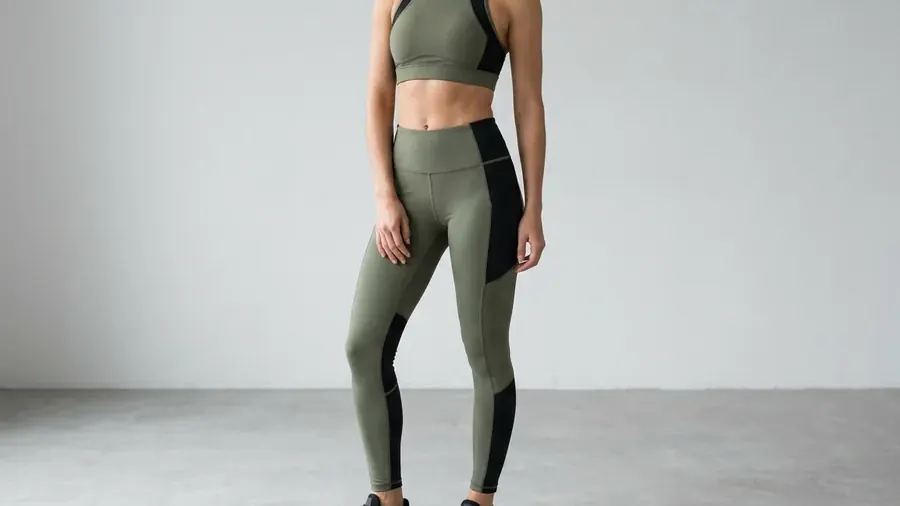
Close-fitting stretch pieces such as leggings and sports bras are the least forgiving to size.
What Size Grading Actually Means
Every garment starts life in one size, the base size, and the pattern for that size is developed and checked first. Grading is how the other sizes are produced from it. At each measurement point, such as chest width, body length, sleeve length or hip, a set increment is added going up the range and removed going down.
The increments are not identical everywhere. A larger size is wider through the chest but not necessarily proportionally longer, and sleeves, necklines and waistbands each follow their own rules. That is why scaling a base-size pattern by a flat percentage rarely gives a good result, and why the grade rules behind a size chart matter as much as the chart itself.
Build Your Size Chart From Measurements, Not Labels
"Medium" is not a measurement. One brand's medium is another's small, and activewear adds stretch to the mix. A useful size chart lists, for each size, the actual measurements at each point, and says clearly whether they are garment measurements (the finished piece laid flat) or body measurements (what the wearer measures). Mixing the two is the most common reason a chart confuses customers.
The gap between the two is called ease. A relaxed tee has plenty of ease; a compression top has little or none, and is designed to sit under tension on the body. State your ease intention in your brief, and our tech pack guide shows where measurements sit in the wider document.
Choose A Fit Type Before You Choose Sizes
Fit names vary between brands, so define each one by what it does, not just what it is called:
- Regular fit: a straight, comfortable cut with moderate ease through the body and sleeves
- Slim or athletic fit: closer through the chest and waist, with less ease and often a tapered body
- Oversized fit: extra width and length, often with a dropped shoulder, designed to hang loose
- Compression or second-skin fit: sized to the body, relying on fabric stretch and recovery rather than ease
Each fit type needs its own chart. An oversized hoodie in "medium" and a slim tee in "medium" can differ by several centimeters in chest width, and that is correct. Decide the fit first, then size inside it.
How To Measure A Reference Garment
If you have a garment you love, it is the fastest way to communicate fit, and a reference garment or photo is welcome when you brief us. Measure it carefully so the numbers say what the garment really does:
- Lay it flat on a hard surface, smoothed out but not stretched
- Tops: chest or bust straight across below the armhole, body length from the high point of the shoulder to the hem, shoulder width, sleeve length and hem width
- Bottoms: waist, hip, front and back rise, inseam, thigh and leg opening
- For elastic waistbands and stretch fabric, record the relaxed measurement and the comfortably stretched one
- Measure after a wash if you want to know how the garment behaves in real life
- Take clear photos with the tape visible, and note the fabric and its weight if you know it
If the garment is in a different fabric from the one you want, say so. A fabric with more stretch or more recovery will wear differently at identical measurements. Our fabric GSM guide explains how weight affects drape and feel.
Men's, Women's And Youth Differences
These are not the same pattern in different sizes. Men's blocks are generally cut with a broader shoulder and chest relative to the hip. Women's blocks are shaped differently through the bust, waist and hip, and often have a shorter body length and narrower shoulder at the same nominal size. Youth garments follow the proportions of a growing body and should be graded from their own pattern, not shrunk from an adult one, as we explain in our youth vs. adult sizing guide.
Product type matters too. Leggings depend on waist, hip, rise and inseam, so a mismatch between rise and body is felt immediately. Sports bras have to hold their shape, so decide whether you will size by letter or by band and cup. For a broader range, see our women's, men's and gym wear pages. "Unisex" is a fit decision, not a shortcut, so check it against both a men's and a women's body.
Fit Sample Vs. Production Sample
Two different checks sometimes get lumped together. A fit sample is the first sample, made in your base size to judge how the garment hangs, moves and feels, and to agree corrections. A production sample confirms that those corrections were made and that the construction, print or embroidery are as you want them in bulk.
At True Fit, the sample you approve in writing is the reference for bulk production, and we share photos and videos while it is made. Use the sample stage to measure every key point against your chart and write down any difference. If you want to change something after approving, that is a new sample round, so list every correction in one message. Samples have no minimum, so a second sample is an option if the first needs adjustment, and our samples guide covers the process.
Plan The Size Breakdown For Your First Bulk Order
Bulk orders start at 20 pieces per style, and that minimum applies to the style, not to each size. The practical question is how to split a small first run across sizes. There is no universal split, and we would not give you a made-up one, so use your own signals:
- Pre-orders, a waiting list or past sales of similar products
- Who you are selling to: age, gender mix and how athletic or casual the audience is
- The fit type, since a slim cut pushes some customers up a size
- The size range you can realistically support with 20 pieces
With a small first run, it often makes sense to concentrate on the central sizes and leave the extreme ends for a reorder once you have sales data. As an illustration only, not a recommendation, a 20-piece style could be split S 3, M 6, L 6, XL 4, XXL 1. Your own audience may look nothing like that. When you reorder, your first run's sell-through tells you exactly how to adjust, and our reorder guide covers the process.
How To Brief True Fit On Sizing
The more of the following you send, the fewer questions come back:
- The product type and the fit you want (regular, slim, oversized or compression)
- Your size chart, with measurements in centimeters or inches, marked as garment or body
- A reference garment or clear photos of one, ideally with its measurements
- Fabric preferences, or a description of how the piece should feel and perform; the production team recommends options and confirms the exact fabric and GSM before the sample is made
- The sizes and quantities you want, and your target date
You do not need a finished tech pack to begin; a reference image and a size chart are a strong start. You can send it through the contact page, by email at info@truefitsportswear.com or on WhatsApp.
At True Fit: samples have no minimum (even 1 piece) and take 8–10 days; bulk starts at 20 pieces per style and takes about 18 working days after approvals. Pricing depends on the exact spec and is confirmed in a written quotation, shipping included. See the process page for each step, or the FAQ for more answers.
Frequently Asked Questions
What is size grading in garment manufacturing?
Grading is the process of turning one approved base-size pattern into the other sizes by adding or removing set amounts at each measurement point, such as chest width, body length and sleeve length. A good grade keeps the proportions and fit of the base size across the whole size range.
Can I send a reference garment instead of a full size chart?
Yes. A reference garment you like, or clear photos of one, is a useful starting point because it shows the cut, panels and construction. Measurements taken from it make it far more useful, so send those too, and confirm the final fit on the sample.
How many sizes should my first bulk order include?
The bulk minimum is 20 pieces per style, so a first run cannot cover many sizes in depth. Many new brands limit the first run to the central sizes they expect to sell most and add the ends of the range on a reorder. Base the split on your own audience, pre-orders or past sales rather than a generic chart.
What is the difference between a fit sample and a production sample?
A fit sample is the first sample, made to check how the garment fits and feels and to agree any measurement corrections. A production sample confirms that those corrections were applied before bulk begins. At True Fit, bulk production starts after you approve the sample in writing, and a change after approval is treated as a new sample round.