Sublimation vs. Screen Print vs. Embroidery — Which To Choose And Why.
Three genuinely different processes, each suited to a different kind of design. Here's how to pick.
Published — True Fit Sportswear Team
Short answer: choose sublimation for all-over graphics, gradients or many colors; screen print for simple one to four color logos in larger quantities; and embroidery for crests, wordmarks and names that should feel premium and last. Most full kits combine two of them. The sections below explain what each process does, what it costs you in design freedom, and how to decide.
Sublimation: Unlimited Color, Zero Texture
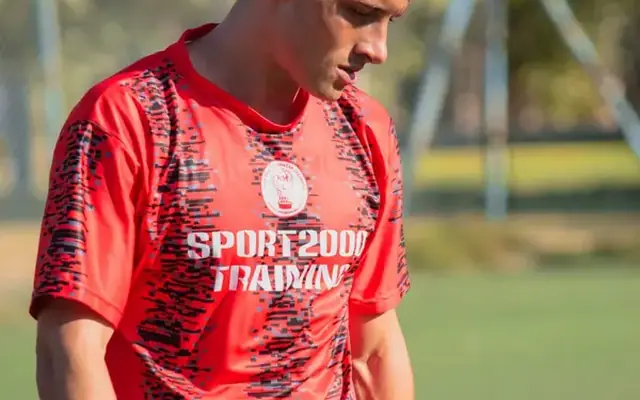
Dye is infused directly into the fabric fibers, so the design becomes part of the fabric — no texture, no peeling, and effectively unlimited colors and gradients. This is the standard for full team kits with all-over graphics, like the jerseys in our case study. It works best on 100% polyester fabric in light colors, because the dye is transparent: on a dark fabric the print is muted or lost, and white cannot be printed at all, since white is simply the fabric showing through. If your design needs white details on a dark kit, plan for them to be part of the base fabric layout or use another method for those areas. Our football fabric guide covers which polyester knits sublimate well.
Screen Printing: Cost-Effective At Volume, Limited Colors
Ink is pressed through a stencil screen onto the fabric surface — fast and cost-effective at larger quantities, but each color needs its own screen, so designs with many colors or gradients get expensive fast. Best suited to simple logo placements in 1-4 colors.
Embroidery: Durable, Premium Feel, Priced Per Stitch
Thread is stitched directly into the fabric — the most durable option, and it reads as premium (crests, wordmarks, player names). Priced by stitch count rather than color count, so simple logos are cheap and highly detailed designs get expensive. Not suited to large all-over graphics.
A Quick Way To Decide
- All-over graphic, gradients, or unlimited colors needed → sublimation
- Simple 1-4 color logo, larger quantity, tight budget → screen print
- Crest, wordmark, or player name that needs to feel premium and last → embroidery
- Most full kits combine sublimation for the main design with embroidery for a crest
Send a reference image and we'll tell you which method — or combination — fits your design and budget. See our teamwear and football kit pages for examples of each in production.
How Quantity Changes Which Method Makes Sense
Sublimation has no per-color screen setup, so the cost does not climb with the number of colors, and it suits runs from our 20-piece bulk minimum upward (see our MOQ guide). Screen printing gets meaningfully cheaper per unit as quantity grows, since the screen setup cost is spread across more pieces — it's the better choice once you're well past minimum quantities on a simple design. Embroidery's per-piece cost depends mainly on stitch count rather than quantity, so a detailed crest costs a similar amount per piece whether you order 20 or 200; the one-off artwork preparation (digitizing the design into stitches) is the part that gets shared across more pieces.
Combining Methods On One Garment
Most full kits aren't one method end to end. A common combination: sublimation for the main jersey design and colorway, embroidery for the club crest so it holds a raised, premium finish, and sometimes a screen-printed sponsor logo if it's a single flat color. Each element gets the method that actually suits it, rather than forcing one process to do everything.
Durability Across A Season Of Washing
Sublimated designs don't crack or peel because the dye is part of the fabric itself — they fade only as the fabric itself ages. Embroidery holds up almost as well, since it's stitched thread rather than a surface layer. Screen print is the one that can crack or fade first under repeated hot washing, which is worth factoring in for training kits that get washed far more often than match-day kits. Care matters for all three: washing inside out, in cool water and without a hot dryer extends the life of any decoration.
What Artwork Each Method Needs
- Sublimation: a high-resolution file or, better, a vector file (AI, EPS, SVG or PDF), plus color references such as Pantone codes. Colors on screen are not the colors on fabric, so a reference swatch or the approved sample is the real standard.
- Screen print: clean vector artwork separated into flat colors. Each color becomes a screen, so tell us the exact number of colors and which are solid.
- Embroidery: the logo is converted into a stitch file before sewing. Very fine lines and very small lettering (typically under about 5 mm tall) tend to fill in and lose clarity, so use a simplified version of the logo at small sizes.
Whichever method you choose, tell us the placement and approximate size of each element (chest, sleeve, back, shorts) so the mock-up matches your intention. Our team uniform ordering guide shows how names, numbers and sponsor logos fit into a full roster order.
Mistakes To Avoid
- Choosing sublimation for a dark fabric and expecting bright, saturated color
- Screen printing a design with many colors or gradients, then being surprised by the cost
- Embroidering a large all-over graphic, which makes the garment stiff and heavy
- Sending a low-resolution screenshot of a logo instead of the original file
- Approving the mock-up without checking the exact size and position of every element
The sample is where you check all of this on real fabric. Samples have no minimum and take 8–10 days; our samples guide explains how to review one, and you can start from our samples page.