How Much Does Custom Sportswear Manufacturing Cost?
There's no single per-unit number that applies to every order — but the factors that move the price are the same across every quote.
Published — True Fit Sportswear Team
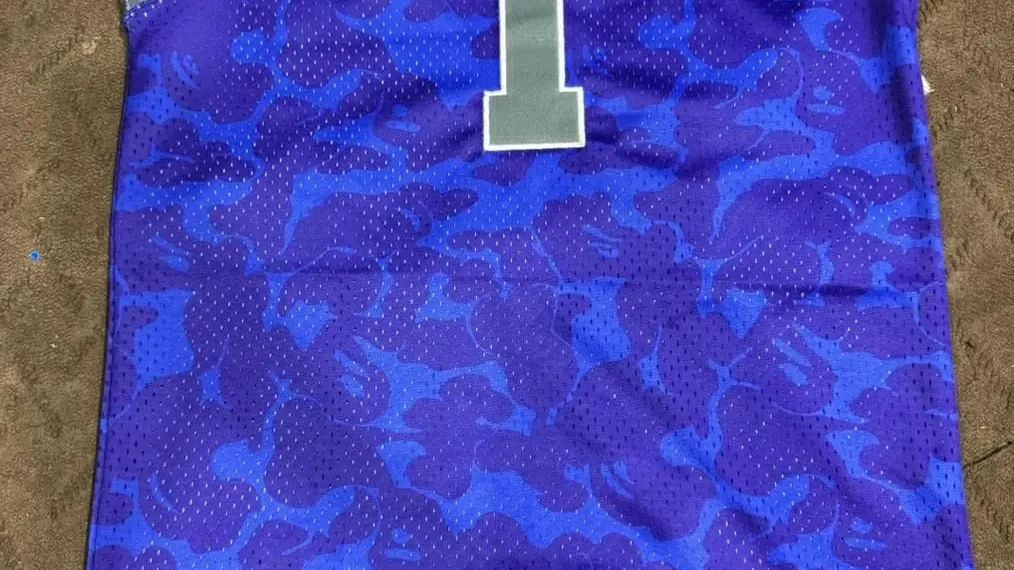
Every quote covers the same underlying factors — fabric, print, quantity and construction.
The short answer: there is no single price, because custom sportswear is priced per style from five things: the fabric, the decoration method, the order quantity, how complex the garment is to sew, and shipping. Change any one and the per-piece price moves. We don't publish a "from" price, because a figure without your specification would be a guess; we give a written quotation once we know the details. The sections below show which factors matter most.
Fabric Is Usually The Biggest Line Item
A basic polyester jersey fabric costs meaningfully less than a technical four-way-stretch compression fabric or a heavyweight rugby-grade cotton blend. Fabric choice alone can move your per-unit price more than any other single factor. Weight matters too: a heavier GSM uses more material per garment, so check whether you need it. Our fabric weight and GSM guide shows which weights suit which use.
Print Method Changes The Math
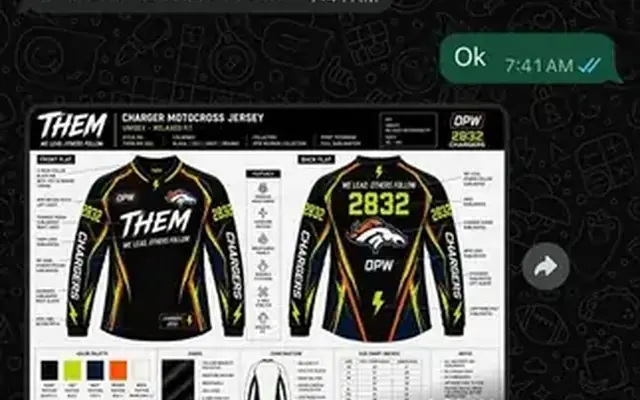
Full sublimation (dye infused into the fabric, unlimited colors, no texture) costs differently than screen printing (cost-effective at volume, limited colors) or embroidery (durable, premium feel, priced per stitch count). Full sublimation, like the jerseys in our case study, suits all-over graphics; screen print or embroidery often suits a simpler logo placement better and cheaper. A simple rule of thumb: the more of the garment your design covers, the more sense sublimation makes, and the smaller the logo, the more sense embroidery or screen print makes. Our decoration methods guide compares all three.
Order Size Moves Per-Unit Price, Not Total Cost
Cutting and print setup costs are roughly fixed per style, regardless of quantity, so spreading that fixed cost across more units lowers the price per piece. That is why MOQs exist. Our bulk minimum is 20 pieces per style (counted per style, not per size), and samples have no minimum. A second style on the same order carries its own setup and its own 20-piece minimum, so two styles do not price like one larger run. See our MOQ guide for the full explanation.
Construction Complexity Adds Labor Time
A basic tee is one of the fastest garments to construct. Multi-panel jerseys, mesh inserts, zip pockets and reinforced seams all add labor time, and labor time is priced into the quote alongside materials. Every extra panel is also more fabric to cut and more seams to sew, so ask whether a design detail is earning its cost. A tech pack that spells out the construction up front lets us price it accurately; see our tech pack guide.
What We Need To Give You An Accurate Number
- The garment type and rough construction (panels, pockets, closures)
- Fabric preference, or the intended use case (compression, breathable training, heavyweight)
- Print or decoration method, and how many colors/placements
- Rough order quantity you're picturing for a first bulk run
- Your destination country, so shipping can be included
Send those details and we'll return a real number, not a "starting from" price designed to get you on a call. For a category-specific walkthrough of these same factors, see our football kit cost breakdown.
Shipping Is Part Of The Real Cost, Not An Afterthought
A quote that only covers the ex-factory price isn't comparable to one that includes shipping to your door, so always confirm which one you're looking at before comparing two manufacturers. Our quotes are shipping-inclusive, with the courier chosen by us from Sialkot. Customs duties and import taxes are separate and paid by you as importer of record, unless we agree a landed-cost quote in writing. Air freight is faster and costs more per unit; sea freight is slower but meaningfully cheaper at volume. Our guide to shipping from Pakistan covers duties and paperwork, and our USA, UK and Canada pages have country-specific notes.
Why "Cheapest Quote" Is The Wrong Comparison
Two quotes at different prices for what looks like the same garment usually aren't actually the same spec: one may be a lighter fabric, a cheaper decoration method, or missing quality control. Compare these side by side, not the number in isolation:
- Fabric type and GSM
- Decoration method and number of placements
- Whether shipping is included
- Inspection process (see our quality control page and checklist)
- Whether a sample is available before bulk
Ways To Lower The Price Without Lowering Quality
- Simplify the design. Fewer panels and fewer decoration placements reduce both material and labor.
- Choose the decoration for the artwork. A one-color logo does not need all-over sublimation.
- Consolidate styles. Fewer styles in larger quantities beats many styles at the minimum.
- Plan the shipping. Ordering early lets sea freight replace a rush air shipment on larger runs.
- Reorder from an approved style. A repeat run skips the development work; see our reorder guide.
How Sampling Fits Into Your Budget
Budget for the sample stage as its own line item, not a rounding error before the "real" bulk cost. Samples are paid in full up front, have no minimum (even one piece) and typically take 8–10 days. If your first bulk order of the same style is 50 pieces or more, the sample fee for that style is credited toward it; mention it when you order, since it is not applied automatically. A sample confirms the fabric and construction actually deliver the price-to-quality ratio you were quoted. Skipping it to save a small amount upfront is how a bulk order goes wrong at a much higher cost later. See our samples page for details.
How Payment Is Structured
For planning cash flow: bulk orders need a minimum 50% deposit to start, with the balance due before shipment, paid by bank or wire transfer against an official invoice. See payment options and our guide to paying a manufacturer safely for the checks to make first.