OEM vs. ODM: What's The Difference?
Two terms every brand owner runs into when sourcing overseas — here's what they actually mean for your project.
Published — True Fit Sportswear Team
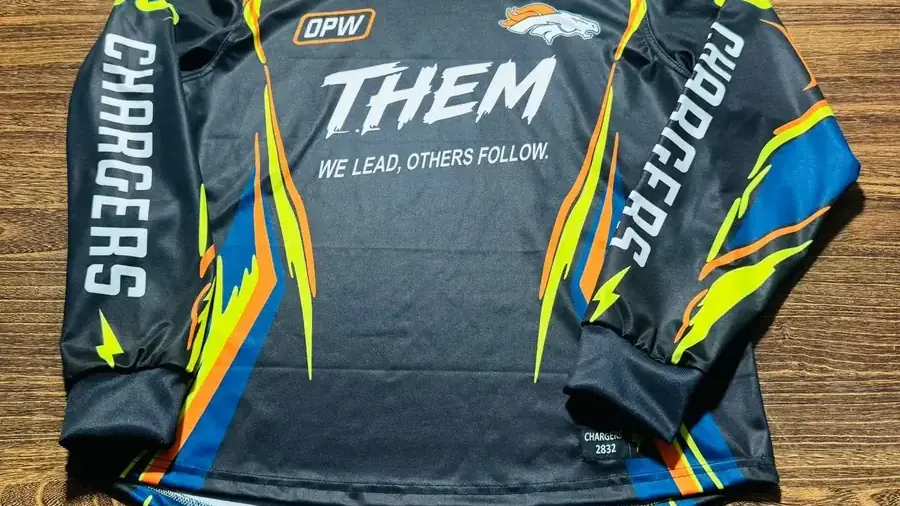
A jersey produced OEM — built exactly to the client's own tech pack.
The short answer: with OEM (Original Equipment Manufacturing) you bring a finished design or tech pack and the factory builds it exactly as specified. With ODM (Original Design Manufacturing) you bring an idea or a reference photo and the factory develops the design and tech pack for you before producing it. Private label is a third route: you choose a style the factory already makes and add your own labels and branding.
OEM: You Bring The Design
OEM stands for Original Equipment Manufacturing. In practice, it means you already have a design (a complete tech pack, or something close to it) and the manufacturer produces it exactly to your specification. Fabric, construction, sizing and branding are all yours to define; the factory's job is execution.
This is the right fit if you, or a designer you've worked with, already know exactly what you want built. It also suits brands reordering a design that has already been through sampling.
ODM: The Manufacturer Develops The Design
ODM stands for Original Design Manufacturing. Here, you bring an idea, a reference photo, or a rough concept, and the manufacturer's team develops it into a full design and tech pack before producing it. It's a more collaborative process, useful when you know the outcome you want but not the technical specification to get there. A typical ODM start is a reference garment plus a few notes on what you would change: the fabric, the neckline, the logo position.
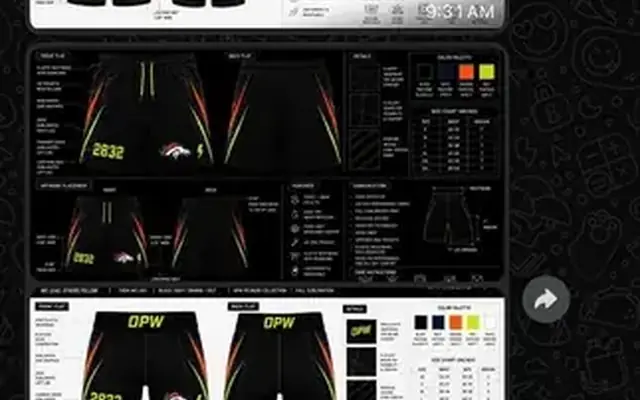
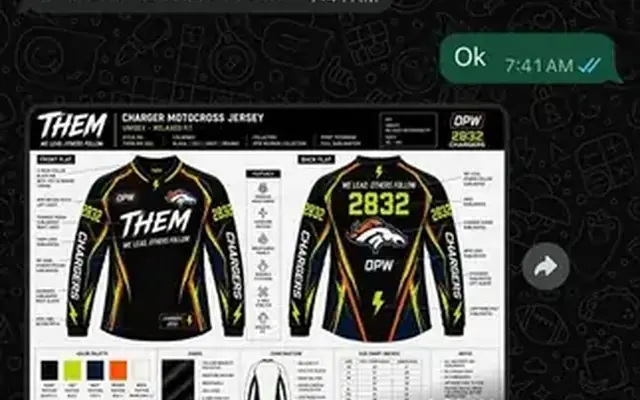
Most first-time brand owners start closer to ODM than they expect. See our case study for what that back-and-forth looks like in practice, from a reference tech pack in a chat message to a finished production run.
Where Private Label Fits In
Private label is a third option: choosing from styles a manufacturer has already produced, and applying your own labels and branding. It's the fastest route to market, but offers the least customization of the three. If the distinction between private label and white label is what you're really after, our private label vs. white label guide covers it.
This applies the same way across every category we produce, from activewear to football kits to rugby. See our full product range for what's available either way, and our Private Label / OEM / ODM page for how we work.
OEM, ODM And Private Label Side By Side
- OEM: you provide the full design or tech pack. The factory provides production. Best when your spec is settled. The sample stage checks that the factory built what you drew.
- ODM: you provide the idea or reference. The factory provides design development and production. Best for a first product or when you lack technical specs. The sample stage also checks that the developed design is what you pictured.
- Private label: you provide your labels and branding. The factory provides an existing style. Best when speed matters more than a unique design.
The minimums are the same on all three routes: 20 pieces per style for bulk, and no minimum on samples (even one piece). What changes is how much design work happens before production. On ownership, your designs, artwork and logos stay your property and are not reused for another order without your permission.
How To Tell Which One You Actually Need
A quick self-check: if you can describe your garment's construction, fabric and fit in enough detail that a stranger could sew it without asking you a follow-up question, you're ready for OEM. If your description would leave a stranger with real questions ("what weight fabric?", "how does the panel sit?"), you're closer to ODM, and that's completely normal for a first product. If you mostly want to get your name onto a good product quickly, ask about private label. Not sure what your answers are? Send us a reference photo; it's enough to start.
Timeline Differences Between The Two
OEM moves straight to sampling since the design is already locked, so it's usually the faster route from first contact to a physical sample. Once the specification is agreed, a sample typically takes 8–10 days, and bulk takes about 18 working days after you approve it. ODM adds a design-development stage upfront (sketching, fabric selection, sometimes a couple of rounds of revision before there's anything to sample), which takes longer but can replace hiring a separate designer before you ever talk to a factory. How long that stage takes depends mostly on how quickly decisions are made on your side. Our production timeline guide breaks down the stages, and our samples page explains how sampling works.
You Can Mix The Two On One Order
It's common for a brand to know exactly what they want on one item (say, a jersey they've already designed) and need help developing another (a training top they've only got a vague idea for). That's not unusual, and it doesn't need to be split into two separate orders: one conversation can cover both an OEM piece and an ODM piece produced side by side. If you're planning a whole first collection, our guide to starting a sportswear brand covers the wider launch plan.