How To Start A Sportswear Brand.
Most people wait too long to reach out to a manufacturer, assuming they need a finished design first. Here's what you actually need at each stage.
Published — True Fit Sportswear Team
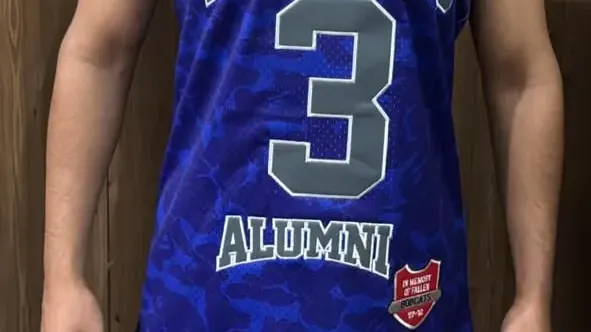
Every brand starts here — an idea, worn and fit-checked for the first time.
The Short Version: From Idea To First Sale
To start a sportswear brand, pick one product and one customer, send a manufacturer a reference photo or sketch, order a sample, fix what the sample teaches you, then place a small first bulk order while you prepare photography and a sales channel. You do not need a finished design or a tech pack to begin, and you do not need a large order: at True Fit the bulk minimum is 20 pieces per style, and samples have no minimum at all.
- Define one product, one customer and a target price. For example, an oversized training tee for lifters, with a retail price you can name.
- Find a manufacturer and verify it before you pay. Our guide to verifying a sportswear manufacturer in Pakistan lists the checks.
- Send a brief. A reference garment, a sketch or a tech pack all work. See how to create a tech pack when you are ready for one.
- Order a sample. There is no minimum, and it takes 8–10 days. Our sample page explains how.
- Approve the spec in writing, get a quotation, then pay against the invoice.
- Run your first bulk order. It takes about 18 working days after approvals, and you follow it on a private tracking page.
- Photograph, launch and learn. Use what sells to decide your second order.
What You Need Before Sampling
You don't need a finished tech pack to start a conversation. A reference photo, a rough sketch, or even a clear description of the product and who it's for is enough for a manufacturer to tell you what's possible and roughly what it will cost.
What you do need clarity on is short:
- The product category and how it will be worn (training, lifestyle, team, competition).
- A rough target retail price, so the factory can steer fabric and construction to fit it.
- Roughly how many units you are picturing, counted per design rather than in total.
- The feel you want, in plain words: soft, crisp, stretchy, heavy or light. Our GSM and fabric weight guide helps you describe it.
- Your logo as a vector file (or the best version you have), and how you want it applied: print, embroidery or sublimation.
Choose One Hero Product First
New brands often try to launch a full range at once. A better first move is a single "hero" product you understand well. Simple knit pieces such as t-shirts, hoodies and gym wear have fewer parts, so there is less that can go wrong at the sample stage. Items where fit is critical, such as leggings and sports bras, are very doable, but expect to spend more time on stretch, opacity and support at the sample stage.
If you are building a fitness label specifically, our custom gym wear manufacturing guide goes deeper on that category.
Private Label Or White Label?
Before you brief anyone, decide how much of the product is yours. White label means one standard product sold to many brands, each adding its own label, so a competitor can stock the identical item. Private label means the product is made for your brand and sold only under your name, either built to your own specification (fabric, fit, construction) or chosen from styles the manufacturer already makes and finished with your branding. A simple test: could a competitor stock the exact same item? White label is faster to launch but harder to stand out with. Our guide to private label vs. white label compares the two properly, and our private label, OEM and ODM page shows the routes we offer.
Sample Before You Commit
Whatever manufacturer you choose, insist on sampling before placing a bulk order. No reputable factory should ask you to skip straight to bulk. A sample is where you confirm that fabric, fit and construction match what you pictured, and it is by far the cheapest place to find a mistake.
When the sample arrives, check it methodically instead of just looking at it:
- Try it on a real person, then wash it once following the care label. Look for shrinkage, color bleed and print condition.
- Measure it flat against your size chart. Our sizing and grading guide explains how.
- Check seams, labels and logo placement against the brief, using the stage-by-stage quality control checklist.
- Write your feedback as one numbered list with photos, so each fix is clear.
Our custom sportswear samples guide covers the sample stage in full. A good sample round usually leaves you with a short list of changes, not a restart.
What Can Wait
Packaging design, a full size range, hang tags and your final branding assets can all be finalized after your first sample is approved. Don't let these hold up getting a physical product in hand. What cannot wait is the decision that shapes the sample itself: the product, the fabric feel, the fit you want, and where the logo goes.
Why Manufacturing Location Matters
Sialkot, Pakistan has been a center of sports goods manufacturing for over a century. Skilled sportswear labor, fabric and trims suppliers and export know-how are concentrated in one place, which is part of why lead times and quality stay consistent from order to order. We cover the full case, and how it compares with other sourcing regions, in why Sialkot, Pakistan, and our About page explains why we are based here.
Whatever Category You're Starting In
The same process applies whether you're launching activewear, a streetwear line, or outfitting a team. See our full product range, including football, basketball and rugby kits alongside activewear and gym wear. Team-focused brands should also read our team uniform ordering guide.
Budgeting For Your First Order, Realistically
Two numbers matter first: the bulk minimum of 20 pieces per style, and the two lead times that stack on top of each other, which are 8–10 days for a sample and then about 18 working days for bulk once you've approved it. Budget for both stages, not just the bulk cost. Skipping the sample to save time is the single most common way a first order goes wrong.
A realistic first-order budget has more lines than the factory invoice:
- Sample cost for each style, and possibly a second sample round.
- Bulk production, which depends on fabric, construction, decoration and quantity. Our manufacturing cost guide explains the drivers. Prices we quote are shipping-inclusive, but check what import duties or taxes apply in your country; see shipping sportswear from Pakistan.
- Labels, hang tags and packaging, if you want more than a plain bag.
- Everything after the factory: product photography, your online store, advertising, and a reserve for returns or exchanges.
Payment is by bank transfer: Wise for samples and smaller payments, and a business bank account for bulk. Payment details only ever come from the official invoice. See payment options and our guide to paying a clothing manufacturer safely. If the 20-piece minimum still feels large, our MOQ guide explains how to launch with fewer designs instead.
Common First-Time Mistakes
- Ordering bulk on a design that was never physically sampled and tried on.
- Launching with too many designs at once instead of one well-tested style.
- Not asking how the MOQ is counted (per style, per color or per size) before quoting a budget. Ours is 20 pieces per design, not per size.
- Treating packaging and branding as more urgent than getting the product itself right.
- Choosing a supplier on price alone, without verifying it or seeing work in progress.
- Having no size chart. Even a simple one, agreed in writing, prevents most fit disputes.
- Not planning the second order. If the first one sells, you will want the same product again quickly; see how to reorder custom sportswear.
From Sample To Selling
Once your sample is approved and bulk is in production, use the lead time productively. Line up your sales channel, photography and any pre-orders so the finished stock has somewhere to go the moment it lands, instead of sitting in boxes while you figure that part out afterward. Your sample can double as your first photography prop, so you can start shooting content during production.
Each True Fit order has a private tracking page with photo updates, so you can see progress without chasing anyone; see how order tracking works. Then let real sales data, not guesses, tell you what to make next.