Private Label vs. White Label Sportswear: What's The Difference?
The two terms get used interchangeably online, but they describe two genuinely different sourcing decisions.
Published — True Fit Sportswear Team
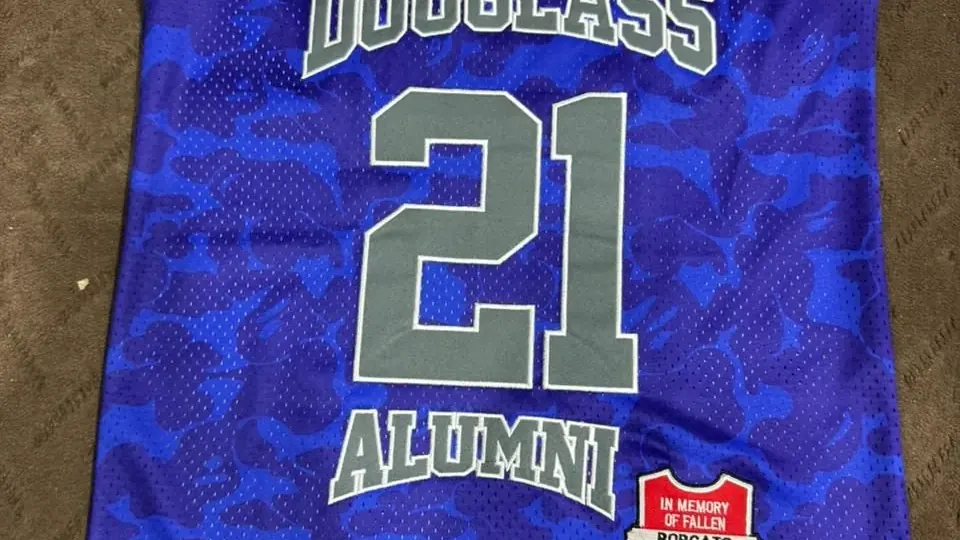
Custom branding applied to a produced garment — the core idea behind both terms.
The short answer: white label is one standard product sold to many brands, each adding its own label, so a competitor can stock the identical item. Private label is a product made for your brand and sold only under your name, either built to your own specification or chosen from a manufacturer's existing styles and finished with your branding. The test is simple: could a competitor stock the exact same item?
White Label: One Product, Many Brands
White label means a manufacturer produces one standard product and sells the same base item to multiple different brands, each applying their own label and packaging. Think of it as a shared product line: you're not commissioning anything unique, you're rebranding something that already exists and that other buyers can also order. The usual trade-off is speed and low effort against sameness. Nothing about the garment itself is yours, so you compete on branding, price and marketing alone.
Private Label: Built To Your Spec, Sold Under Your Name
Private label means the product is made for your brand and sold under your name. At the most custom end, it is developed to your specification (your fabric choice, your fit, your construction details) and produced exclusively, or close to it, for you. That is a closer relationship to OEM/ODM manufacturing than to white label, just with the branding-and-labeling step built in as part of the service. At the lighter end, it means taking a style the manufacturer already makes and adding your own labels, tags and branding. See our OEM vs. ODM guide for how those routes fit in.
Why The Distinction Actually Matters
White label is faster and cheaper to launch with, but you're selling something a competitor could also stock. A fully custom private-label product costs more in development time, but the product is genuinely yours: different fabric, different fit, different construction if you want it. Most brand owners who care about differentiation end up wanting a custom build, even if they started the conversation asking for "white label."
Where We Fit In
We offer three routes, all under your label: OEM (you bring a finished design or tech pack), ODM (you bring an idea or reference and we develop the design), and private label (you choose from styles we've already produced and add your own labels and branding). Custom orders are produced to the client's own spec rather than pulled from a shared shelf. If you genuinely want the fastest, lowest-effort route to market, tell us that directly and we'll talk through what's realistic, including whether a given style can be kept exclusive to you if that matters. See our Private Label / OEM / ODM page for the full breakdown, or browse our full product range.
The One-Line Test
Ask yourself: "could a competitor stock the exact same item I'm selling?" If yes, that's effectively white label: you're differentiating on branding and marketing alone. If no, because the fabric, fit or construction is specific to your spec, that's private label in its fullest sense, and your product itself is part of what sets you apart, not just the label on it.
Private Label Doesn't Automatically Mean More Expensive
It's a common assumption that private label costs meaningfully more than white label because it's "custom." In practice the price gap usually comes from order size and fabric choice rather than from the private-label process itself. Development time is the extra cost of a fully custom build. The real cost driver is what you're asking for, not which of the two labels describes it. Our manufacturing cost guide walks through the factors that actually move a quote.
Questions To Ask Any Supplier Before You Commit
- Is this style exclusive to me, or can the factory sell the same item to other brands?
- What does "your own branding" include: neck labels, care labels, hang tags, packaging?
- Who owns the artwork and tech pack? (At True Fit, your designs and logos stay your property and are not reused for another order without your permission.)
- What is the minimum order per style, and is there a sample first? Ours is 20 pieces per style for bulk, with samples available from one piece; see what MOQ means and our samples page.
- Do the labels meet the rules where you will sell? Fiber content, country of origin and care labeling requirements differ between countries, so check what applies in your market.
What This Looks Like, Order By Order
In practice, most brands start by describing a reference product or a rough idea. From there we tell you honestly whether it needs a custom build (because the spec is genuinely specific to you) or whether an existing style, rebranded, would get you to market faster and cheaper. It's the same conversation as deciding between OEM and ODM, just framed around branding instead of design development. If you're at the very start, our guide to starting a sportswear brand and our tech pack guide cover what to prepare.