
Cricket Kit For The Australian Summer: Whites, Colours And A Lot Of Sun.
Cricket is the summer game in Australia. Club seasons generally run from about October to March, from junior programs on modified pitches up to the grade and premier competitions in the capital cities. Sialkot, where our factory sits, has made cricket goods for export for generations, so a set of whites or a coloured limited-overs shirt is an ordinary job for us. What makes an Australian order different is the sun: kit is worn for hours in strong UV, and on the hottest days in many regions the fabric has to cope with serious heat.
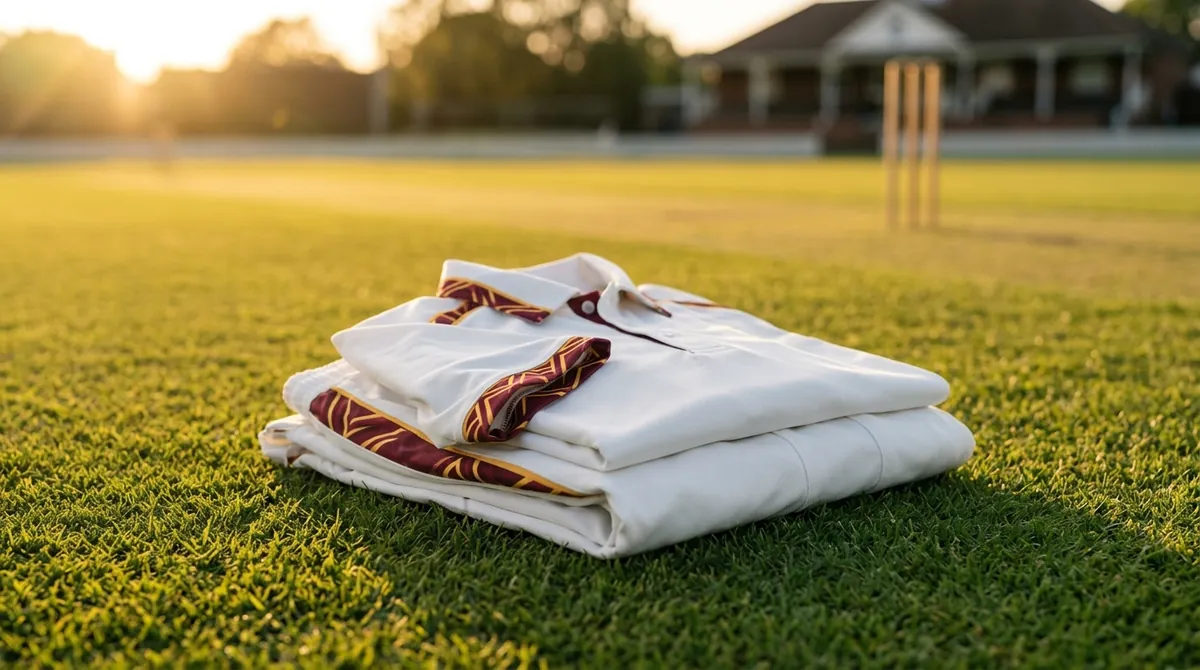
Senior Clubs, School Teams And Junior Programs.
Australian cricket is organised in layers, and each layer buys differently. A single enquiry often mixes two or three of them.
Senior Club Sides
Weekend grade and association teams, usually with a first XI and several lower sides wearing the same design. Whites are common for the longer format, and many clubs add a coloured set with sponsor logos for shorter matches.
Schools
Summer sport at school means a squad that changes every year. Year-level sizing, house or school colours and a name-and-number option for the top team are the usual requests.
Juniors And Social Teams
Junior clubs favour bright, easy-to-wash coloured shirts in a wide size run. Social, twilight and workplace sides tend to want a single good-looking shirt rather than a full set.
Whites Versus Coloured: How They Differ On The Bench.
| Whites | Coloured sets | |
|---|---|---|
| Typical use | Longer-format weekend matches and school first teams. | Shorter, lights-on or twilight fixtures and junior programs. |
| Construction | Usually cut-and-sew, with a collar, a placket and trousers sewn to a conventional cricket cut. | Usually sublimated polyester, so one design can run across the whole shirt with no extra stitching. |
| Branding | A small embroidered crest, with sponsor marks kept restrained. | Full-panel designs, sponsor blocks, names and numbers printed in the same pass. |
| Watch-outs | Grass and clay staining, and "white" that differs between a shirt and trousers if the fabrics differ. | Dark colours absorb more heat, so shade choice matters on the hottest days. |
Made To Be Worn For A Whole Day In The Sun.
A village-green England fixture and a January afternoon in western Sydney are not the same test. For Australian orders we talk through the fabric weight first: a lighter knit that moves sweat away from the skin, a vented panel across the back, and sleeve lengths that suit your players. Many players prefer long sleeves for sun cover, so we sample both short and long if you are unsure.
Colour matters as much as weight. Pale shades reflect more heat than dark ones, and a tightly knitted fabric lets less sunlight through than a loose one. We do not claim a sun-protection rating for any fabric unless it has actually been tested to one, so if UPF is a requirement for your school or club, tell us at the start and we will check what is realistic before you commit.
Collars are worth a decision too. A stand-up or polo collar shields the back of the neck, which is where many players burn, and it is also the first thing to look tired after a season of washing, so we agree the collar construction on the sample. The same applies to trousers: waistband, drawcord or belt loops, and a cut roomy enough for fielding.
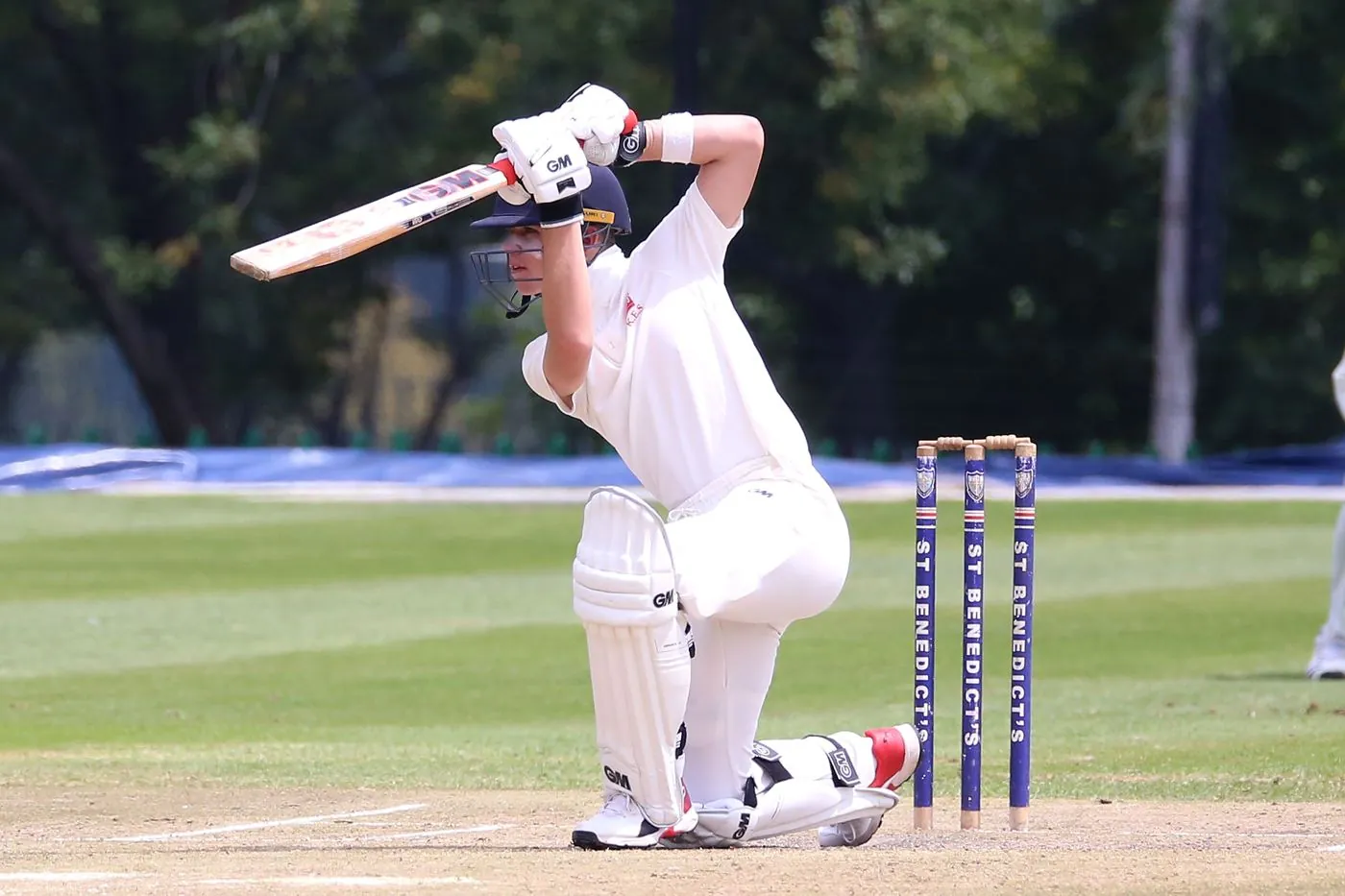
Choosing The Right Method For Each Shirt.
When Sublimation Wins
Dye-sublimation prints the design into polyester, so colours are far less likely to crack or peel through a season of hot washes. It suits coloured sets, junior shirts, gradients and sponsor-heavy designs, and each player's name and number can be added without a separate process. Our guide to decoration methods compares it against screen print and embroidery.
When Cut-And-Sew Wins
Panels cut from different fabrics and stitched together give you contrast piping, a different collar colour or a trim in the club shade. It is the better route for classic whites, or for a coloured shirt where you want structural detail rather than a printed graphic. Some clubs combine the two: sewn panels with sublimated sleeves.
Whichever route you pick, one sample comes first with no minimum order. You can see the tracking photos of your own order as it moves, and nothing is cut until you approve the design. See how order tracking works.
Working Backwards From The First Ball Of The Season.
Agree the design
Collect your committee's decision on colours, crest and sponsors, and send a reference photo or sketch. You do not need a final roster to ask for a sample.
About 8–10 days
One piece is made, photographed on your tracking page and shipped for you to try. Adjust the sleeve length, collar or colour here, before anything is cut in volume.
About ~18 days after approvals
Production runs once the sample and the size list are approved. Freight and customs time are added on top, so leave real slack before opening day.
Not sure where to start? Read our guide to sourcing cricket kits, browse the cricket kits category, or order a sample. Branded caps and kit bags can be added to the same order. A club identity of your own can be built through private label.
Every order is checked against our quality control checkpoints before it is packed. Summer netball teams at the same club can be kitted through our netball dress page.
Common Questions.
Can you make cricket whites and a coloured set for the same club?
Yes. Plenty of clubs run both: whites for the longer weekend format and a coloured, sublimated set for shorter twilight or T20-style fixtures. They are two different builds, so each gets its own sample and its own approval before cutting.
When should an Australian club order for an October start?
Work backwards from your first fixture. A sample takes about 8–10 days, bulk takes about ~18 days working days after approvals, and freight plus customs clearance come on top. Freight times vary and are not guaranteed, so most committees are safer starting the conversation in the winter months.
Does the order have to be one size, or can it cover juniors and seniors?
One order can span junior sizes through to adult. The 20-piece bulk minimum applies per design or style, not per size, so a mixed squad does not need 20 of each size.
Do you supply balls, bats and protective gear?
No. This page is about playing clothing: shirts, trousers, training wear and team-branded extras such as caps and kit bags. Equipment such as balls, bats, pads and helmets is outside what we describe here.
Will the kit arrive with duties and GST already paid?
Prices are quoted shipping-included, but customs duties, GST and any local taxes are separate and depend on the value and category of the goods. Check current Australian Border Force and ATO rules for your shipment, and ask us for a landed-cost conversation before you order if you want one.
How do we pay?
By bank transfer or Wise transfer. We do not take card payments. You can confirm who we are on our verification page before sending anything.
More Australian Sport Pages.
Sports
Cities
Read Before You Order.
How To Source Custom Cricket Kits For Your Team Or Club
A practical guide for club officials and team managers sourcing custom cricket kits for the first time.
Read More →
GSM And Fabric Weight Guide For Custom Activewear
What GSM measures, typical weight ranges for tees, jerseys, leggings and hoodies, and how to brief a factory on fabric.
Read More →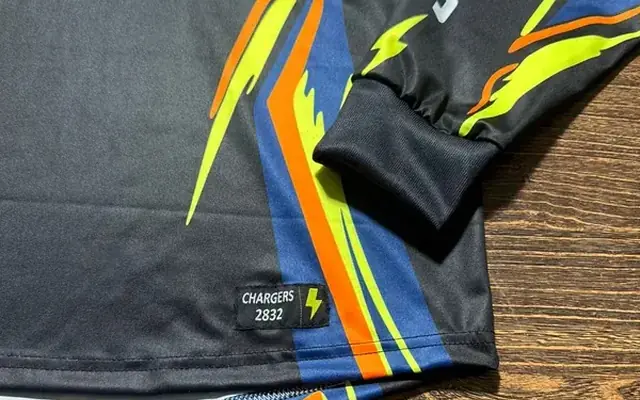
Sublimation vs. Screen Print vs. Embroidery For Team Uniforms
Three genuinely different decoration processes, each suited to a different kind of order.
Read More →