How To Source Custom Cricket Kits For Your Team Or Club.
Written for the club official or team manager doing this for the first time — not the manufacturer's side of the conversation.
Published — True Fit Sportswear Team
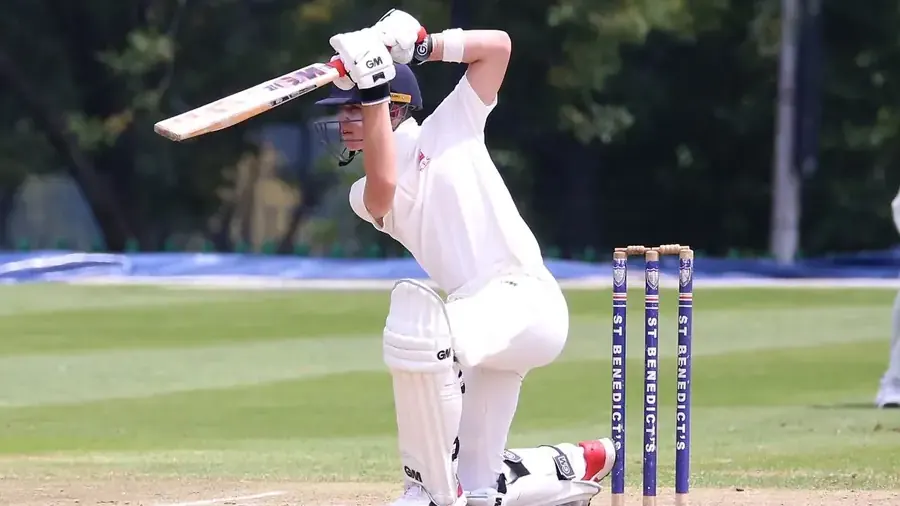
Whites, colored kits, or both — the sourcing process is the same either way.
Start With What Actually Varies By Player
The short version: to source custom cricket kits, collect a squad list with sizes, names and numbers; decide between whites, colored limited-overs kit or both; send your crest, sponsor artwork and colors to a manufacturer whose minimum fits a single squad; approve a sample; then work backward from your first fixture. The sections below cover each step.
Cricket kits are produced and packed per player, not as generic stock sizes, so the accuracy of your squad list decides how many revisions you face later. For each player, collect:
- Shirt size, taken from a size chart or a sample set (not from memory or last season's kit), and whether they want short or long sleeves
- Trouser waist size and length, if trousers are part of the order
- Name exactly as it should be printed, and a squad number that no one else shares
- Adult or youth cut, since junior players need a separate size run (see our youth vs. adult sizing guide)
If you cannot get sizes from every player yet, order a sample set in a few sizes and let the squad try them on. Our sizing and grading guide explains how size ranges work.
Decide: Whites, Colored Kit, Or Both
Traditional whites and full-sublimation colored limited-overs kits are produced differently. Whites typically use a breathable poly-cotton or dri-fit-style blend with an embroidered club crest and minimal graphics. Colored kits use a lighter, sublimation-ready polyester so the colors, sponsor branding and graphics print across the whole shirt. Know which one (or both) you need before requesting a quote, since it changes the fabric, the decoration method and the cost. Our decoration methods guide compares sublimation and embroidery in detail.
Also check your league or board's kit regulations before you design anything. Rules on permitted colors, sponsor logo sizes and number placement vary by competition, and it is cheaper to find out before the artwork is made.
Ask About MOQ Specifically For Cricket Kits
Club and school kit orders are often smaller than a typical bulk teamwear order, so a good manufacturer should have a bulk MOQ that fits a single squad, not a distributor-sized minimum. Ours is 20 pieces per style. It is counted per style, not per size, so a shirt style in mixed sizes counts together, while trousers are a separate style with their own minimum. If your squad is smaller than 20, send the details and we will tell you what is realistic. Samples have no minimum, even one piece. See our MOQ guide for what that number means in practice.
Sample Before You Commit The Whole Squad
Insist on a sample, even for a design you're confident about. Fabric weight and stitching quality are hard to judge from a digital mockup. When it arrives, check the fabric feel and breathability, the collar and cuffs, the crest embroidery (is it flat and clean?), whether numbers and sponsor graphics are crisp, and the fit through the shoulders and sleeves, since cricket involves a lot of overhead arm movement. A sample typically takes 8–10 days; see our samples page, the custom sportswear samples guide and our guide to choosing a manufacturer for the other questions worth asking before you commit.
A Quick Checklist Before You Reach Out
- Squad size list with names/numbers, if the kit will be personalized
- Whites, colored kit, or both
- Any sponsor logos or club crest artwork ready to send (vector files if you have them)
- Your league's kit rules, if they limit colors or sponsor sizes
- The date of your first fixture, so delivery can be planned backward from it
- A rough budget per player, so the manufacturer can suggest a realistic fabric tier
Outfitting more than one sport? We produce football, rugby and netball kits from the same facility, using the same sourcing process described above.
Whites Vs. Colored Kits Cost Differently
Traditional whites, with a simple embroidered crest and minimal graphics, are usually the lower-cost option of the two. Full-sublimation colored limited-overs kits typically cost more because of the print process itself, not because the base garment is more expensive, so avoid budgeting as if both cost the same per player. More panels, more sponsor placements and longer sleeves can also add to the price. Our manufacturing cost guide walks through every factor that moves a quote, and we confirm pricing in a written quotation once the specification is clear.
Timing Around A Season Start
Work backward from your season start date, not forward from when you place the order. Production-side time alone is roughly five to six weeks: a sample typically takes 8–10 days, then bulk takes about 18 working days after you approve it (our production timeline guide breaks this down). Shipping is separate and never guaranteed, and it depends on air or sea freight and customs. A club ordering a month before season start is taking a real risk of the kit arriving late. See our guide to shipping from Pakistan for how to plan delivery and duties.
Sourcing From Pakistan Specifically
Cricket manufacturing has been one of Sialkot's core export categories for decades, alongside football and other sports goods. Our guide to why Sialkot gives the fuller picture of why clubs in the UK, Australia and beyond source cricket kits from this region. If you are in the UK or the USA, see our pages for UK cricket kit and USA cricket uniform orders, and every order comes with a private live tracking page so you can follow it from approval to shipment.